Android vs iOS App Development: Which Is Better for Your Business in 2026?
Android vs iOS app development: compare cost, audience, performance, and features to choose the right platform for your business.
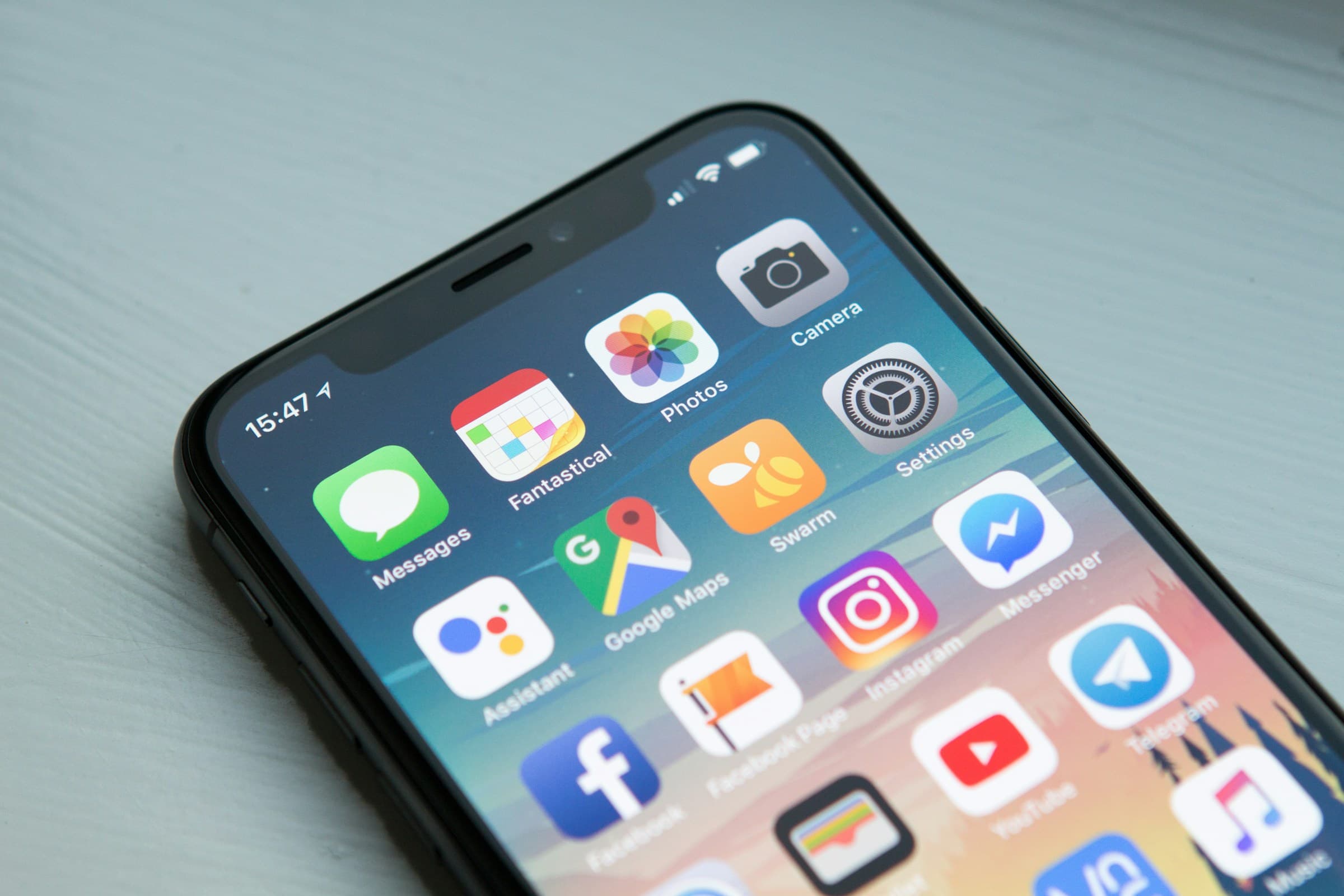
If you're planning to build a mobile application, one of the first decisions you'll need to make is whether to develop for Android, iOS or both platforms. If you are still choosing between a site and an app, start with website vs mobile app vs custom software.
The right choice depends on your target audience, business model, budget, features and long-term goals.
Android has a massive global user base, while iOS has a strong presence among users who prefer Apple's ecosystem. For many businesses, developing for both platforms can provide the widest reach.
But launching on both platforms isn't always necessary from day one.
In this guide, we'll compare Android vs iOS app development and explain how businesses can choose the right approach.
Android vs iOS: Quick Comparison
| Factor | Android | iOS |
|---|---|---|
| Main ecosystem | Apple | |
| Primary development languages | Kotlin / Java | Swift |
| App distribution | Google Play | Apple App Store |
| Device variety | High | More controlled |
| Customization | More flexibility | More controlled |
| Testing | More device combinations | More standardized |
| Global reach | Very broad | Strong in premium markets |
| Best choice | Broad device coverage | Apple-focused audience |
Neither platform is universally better.
The right choice depends on who your customers are and what your application needs to accomplish.
Android App Development
Android is one of the world's most widely used mobile platforms.
It is available across smartphones from many manufacturers and price ranges.
This makes Android particularly attractive for businesses targeting a broad range of users.
Advantages of Android
Large User Base
Android devices are used across different markets and price segments.
This can make Android a strong choice when your target audience is broad.
Device Variety
Android applications can run across many types of smartphones and devices.
Businesses can therefore reach users with different hardware and price points.
Flexible Ecosystem
Android provides flexibility in application development and device integration.
This can be useful for applications requiring specific device capabilities.
iOS App Development
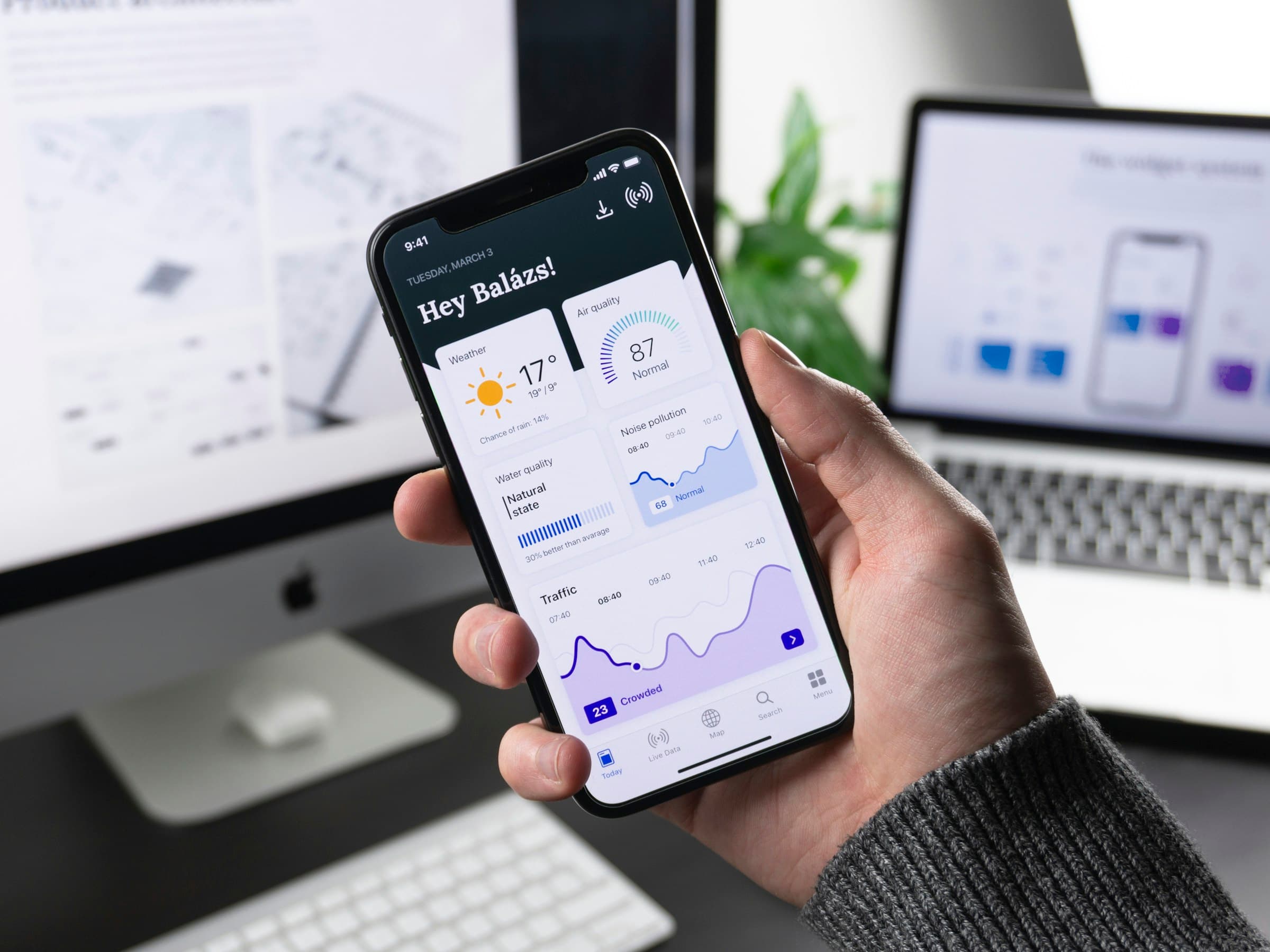
iOS powers Apple's iPhone and other Apple devices.
The ecosystem is more controlled than Android, which can simplify certain aspects of development and testing.
Advantages of iOS
Strong Apple Ecosystem
Businesses targeting customers who use iPhones can benefit from developing specifically for Apple's ecosystem.
Consistent Hardware
Apple controls both its hardware and operating system, resulting in a more predictable device environment for developers.
Premium Customer Segments
Depending on the market and business model, iOS users can represent valuable customer segments.
However, businesses should evaluate their actual target market rather than assuming iOS is automatically more profitable.
Android vs iOS Development Cost
The cost of app development depends primarily on the application's complexity rather than simply the platform.
For example, an application with:
- User authentication
- Payment gateway
- Real-time tracking
- Chat
- Notifications
- Admin dashboard
will generally require more development work than a simple informational application.
If you develop for both Android and iOS, you also need to consider additional testing, platform-specific requirements and deployment.
Your development team should therefore provide a project estimate based on the complete scope.
For a deeper pricing breakdown, see Mobile App Development Cost in India.
Native Android and iOS Development
Native development means building an application specifically for its target operating system.
Android
Common technologies include:
- Kotlin
- Java
- Android SDK
iOS
Common technologies include:
- Swift
- SwiftUI
- iOS SDK
Native development can provide strong access to platform-specific capabilities and optimized user experiences.
It can be especially useful when your application requires advanced device functionality.
Cross-Platform App Development
Another option is cross-platform development.
Instead of maintaining completely separate codebases, developers can use a framework that supports multiple platforms.
One example is React Native.
Potential benefits include:
- Shared codebase
- Faster development
- Reduced duplication
- Easier maintenance
- Android and iOS support
However, cross-platform development isn't automatically the right choice for every application.
The technology should be selected based on:
- Performance requirements
- Features
- Platform integrations
- Development timeline
- Budget
- Long-term maintenance

Which Platform Should Your Business Choose?
There are several questions you should ask before deciding.
1. Who Are Your Customers?
Start by understanding your target audience.
For example:
- What devices do they use?
- Where are they located?
- What is their age group?
- What is their purchasing behavior?
- Are they primarily Android or iPhone users?
Your customer data should influence the decision.
2. What Is Your Budget?
If your budget is limited, you may choose to launch on one platform first.
For example:
Phase 1 → Android
Phase 2 → iOS
Or the opposite, depending on your target audience.
This approach allows you to validate the product before expanding.
3. What Features Does Your App Need?
Some applications rely heavily on specific device capabilities.
Examples include:
- GPS
- Camera
- Bluetooth
- Biometrics
- Push notifications
- Background services
- NFC
- Health-related device integrations
Your development team should evaluate platform capabilities before selecting the technology.
4. Where Will You Launch?
Your target geography matters.
For example, a business targeting a specific market may find that one platform has stronger adoption among its customers.
For an India-focused product, businesses should research their actual target audience rather than relying on assumptions.
Should You Build for Android and iOS Together?
For many businesses, supporting both platforms eventually makes sense.
However, you don't necessarily have to launch both simultaneously.
A phased approach can be useful:
Phase 1
Launch your Minimum Viable Product.
Phase 2
Collect customer feedback.
Phase 3
Improve the application.
Phase 4
Expand to the second platform.
This can help reduce initial risk while allowing the business to validate its idea.
Android vs iOS for Different Businesses
E-Commerce
An e-commerce business may benefit from both Android and iOS because customers can shop using either platform.
Important features may include:
- Product catalogue
- Search
- Cart
- Payments
- Orders
- Notifications
Travel & Tourism
Travel applications can use:
- Hotel booking
- Tour packages
- Maps
- Location services
- Notifications
- Customer accounts
For businesses serving Kashmir's tourism market, mobile apps can provide a convenient way for travelers to browse services and manage bookings.
Food Delivery
Food applications may require:
- Customer app
- Restaurant dashboard/app
- Delivery partner app
- Admin panel
- Location tracking
- Payments
- Notifications
Such platforms can become complex quickly, making proper architecture important.
Education
Educational applications can include:
- Courses
- Video lessons
- Quizzes
- Student profiles
- Progress tracking
- Notifications
- Payments
Android vs iOS: Which Is More Secure?
Both Android and iOS provide strong security capabilities.
However, security doesn't depend only on the operating system.
Application security also depends on:
- Secure authentication
- API security
- Encryption
- Secure data storage
- Access controls
- Server security
- Regular updates
- Secure coding practices
A professional development process should consider security throughout the project.
What About App Store and Google Play Publishing?
Both platforms have their own publishing requirements.
Android
Applications are distributed primarily through Google Play.
iOS
Applications are distributed through Apple's App Store.
Before launch, developers need to prepare:
- Application metadata
- Screenshots
- App descriptions
- Privacy information
- Required permissions
- Store assets
- Compliance information
Your development team can help prepare and submit the application according to the platform requirements.
Why Choose NexGen Developers?
NexGen Developers provides mobile application development services for businesses in Kashmir and across India.
Our services can include:
- Android app development
- iOS app development
- Cross-platform development
- UI/UX design
- Backend development
- API integration
- Admin dashboards
- Payment integration
- Cloud infrastructure
- AI/ML integration
We don't recommend a technology simply because it's popular.
Instead, we consider the business model, target audience, features, budget, scalability and long-term requirements before selecting an appropriate development approach.
How to Decide Between Android and iOS
Use this simple framework:
Choose Android first if:
- Your target audience is primarily Android users
- You need broad device coverage
- Your market strategy focuses on Android adoption
Choose iOS first if:
- Your customers are primarily iPhone users
- Your product is strongly aligned with Apple's ecosystem
- Your business strategy focuses on iOS users
Choose both if:
- You need maximum market coverage
- Your audience uses both platforms
- Your budget and timeline support both
- The application is central to your business
Final Thoughts
There is no universal winner in the Android vs iOS app development debate.
Android can provide broad device coverage, while iOS offers a more controlled ecosystem. Cross-platform technologies can also provide an efficient option for businesses that want to target multiple platforms.
The best decision should be based on your customers, business model, application requirements and long-term strategy.
If you're planning to build a mobile application, NexGen Developers can help you determine whether Android, iOS or a cross-platform approach is right for your project.
Have an app idea? Contact NexGen Developers to discuss your requirements and choose the right development strategy.
Frequently Asked Questions
Is Android or iOS better for business apps?
Neither is universally better. The right platform depends on your target customers, market, features and business goals.
Is Android app development cheaper than iOS?
Development cost depends primarily on application complexity and scope. Building for multiple platforms can require additional development and testing.
Can one app work on both Android and iOS?
Yes. Cross-platform technologies can allow developers to build applications targeting both platforms from a shared codebase, depending on project requirements.
Should a startup launch on Android or iOS first?
A startup should consider its target users, market, business model and budget before choosing the first platform.
Can NexGen Developers build both Android and iOS apps?
Yes. NexGen Developers can develop applications for Android, iOS or both, depending on the project's requirements.