SEO Strategies That Actually Work
Proven SEO strategies for 2026: technical SEO, keywords, content, links, and UX to improve rankings and organic traffic.
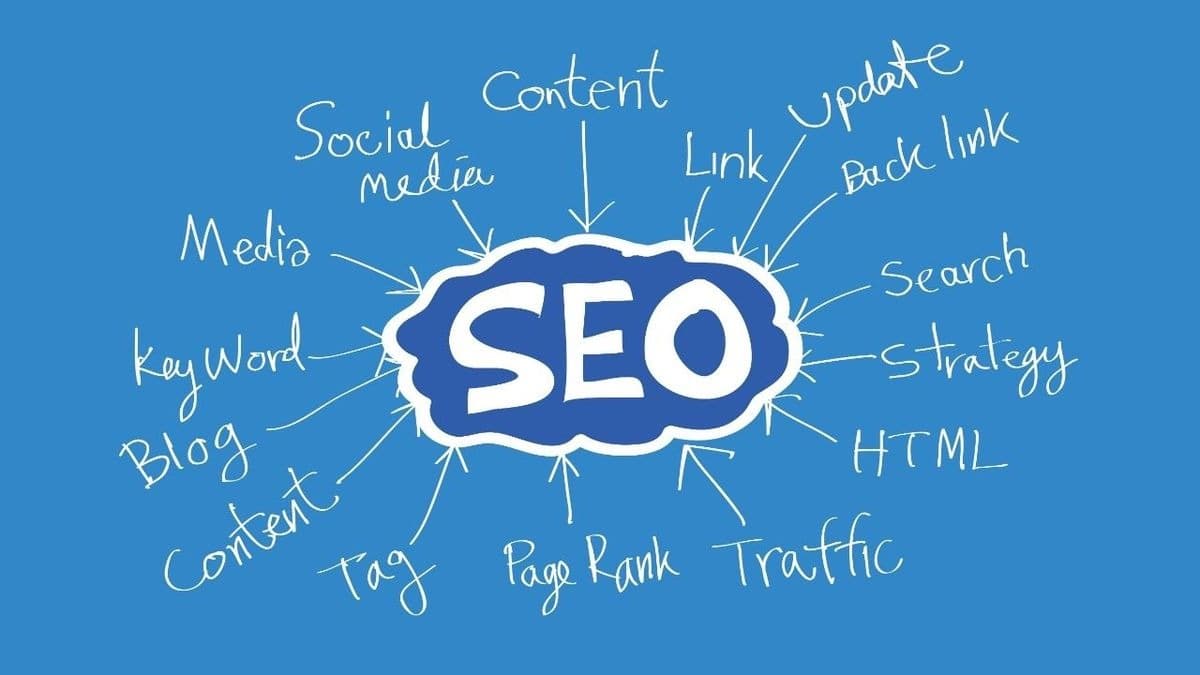
Search engine optimization (SEO) remains one of the most effective ways to grow organic traffic and visibility in 2026. Algorithm updates keep changing, but the fundamentals - technical health, strong content, and a good user experience - still drive long-term rankings. This in-depth guide covers SEO strategies that actually work: technical SEO, keyword research, content optimization, link building, and user experience signals, with actionable steps you can apply immediately. Google’s SEO starter guide is a useful baseline; we implement the same ideas as SEO services. For a Kashmir-specific view, see local SEO and how to rank in Jammu & Kashmir.
Why SEO Still Matters in 2026
Organic search drives a large share of website traffic and leads across industries. Investing in SEO builds durable visibility: unlike paid ads, well-ranked pages can keep attracting visitors for years with minimal ongoing cost. In 2026, search engines continue to reward relevance, quality, and user satisfaction; a solid SEO strategy is essential for sustainable growth and brand visibility. Measure the work in Google Search Console.
SEO is not a one-time project but an ongoing discipline. Rankings fluctuate as algorithms change and competitors optimize. Consistently improving technical health, content, and links compounds over time. Businesses that treat SEO as a core marketing channel typically see better long-term ROI than those that rely only on paid acquisition.
Technical SEO: The Foundation
Technical SEO is the base everything else sits on. Your site must be fast, mobile-friendly, and easy for search engines to crawl and index. Page speed affects both rankings and conversions; use Google PageSpeed Insights, Search Console, and Core Web Vitals to find and fix issues. Fix broken links (404s), use clean URL structures, implement proper 301 redirects when moving or merging pages, and ensure your XML sitemap is submitted and accurate. Crawl errors and blocked resources can prevent pages from being indexed; resolve them promptly.
Compress images, minify CSS and JavaScript, and use browser caching to improve load times. A Content Delivery Network (CDN) can improve load times for users globally. Structured data (Schema.org) helps search engines understand your content and can unlock rich results in SERPs - FAQs, product info, breadcrumbs, and more. Validate your markup with Google's Rich Results Test to avoid errors.
Ensure your site is mobile-friendly; Google uses mobile-first indexing for most sites. Check that critical content and links are available on mobile, avoid intrusive interstitials, and use readable font sizes and tap targets. Technical SEO is ongoing: monitor Search Console for coverage issues, manual actions, and security problems.
Content Quality and Relevance
Search engines prioritize content that genuinely helps users. Create content that answers real questions, solves problems, and matches search intent - informational, navigational, or transactional. Use clear headings (one H1, logical H2 and H3), short paragraphs, and bullet points for scannability. Depth and comprehensiveness matter; thin or duplicate content rarely ranks. Update old posts to keep them accurate and relevant; freshness signals can help maintain or improve rankings.
Understand search intent before writing. A query like 'best CRM software' may want comparisons and recommendations; 'how to install CRM' may want a step-by-step guide. Align your content format and depth with what users expect. Use internal links to connect related content and distribute authority; this helps users discover more of your site and supports crawlability.
Keyword Research and On-Page SEO
Keyword research shows what people search for and how competitive those terms are. Use tools like Google Keyword Planner, Ahrefs, SEMrush, or Moz to find search volume, difficulty, and related keywords. Target a mix of head terms (high volume, competitive) and long-tail keywords (lower volume, less competitive, often higher intent); long-tail often converts better and is easier to rank for when you are building authority.
On-page SEO means using your target keyword naturally in the title tag, meta description, H1, and body. Avoid stuffing; write for people first. The title tag is one of the strongest on-page signals; keep it under 60 characters and include the primary keyword. Meta descriptions do not directly affect rankings but influence click-through rate; write compelling, accurate descriptions under 160 characters. Internal links to other relevant pages help users and crawlers discover more of your site and pass authority.
Link Building: Quality Over Quantity
Quality backlinks from trusted, relevant sites still support rankings. Earn links by creating content worth citing: original research, comprehensive guides, useful tools, or unique data. Outreach to relevant sites with a genuine pitch; participate in expert roundups and contribute guest posts where it fits the audience. Broken link building - finding broken links on others' sites and suggesting your content as a replacement - can be effective when done tastefully. Avoid buying links, link schemes, or spammy tactics; they risk manual penalties and long-term damage to domain authority.
Focus on relevance and authority. A link from a topically related, trusted site is worth more than many links from unrelated or low-quality sites. Monitor your backlink profile with tools like Ahrefs or Majestic; disavow toxic links if you receive a manual action or notice unnatural patterns.
User Experience and Engagement Signals
Engagement and experience signals - time on page, bounce rate, pages per session - influence how search engines view your content. Improve them by making pages fast, easy to navigate, and genuinely useful. Clear calls to action, internal links, and a logical site structure keep users engaged and support SEO. Slow or confusing pages tend to have higher bounce rates and lower engagement; fixing performance and usability often improves both metrics and rankings.
Consider featured snippets and 'People Also Ask' boxes; they capture visibility at the top of results. Format content with clear answers, lists, and tables where appropriate. Monitor your rankings and Search Console data to see which queries and pages perform best; double down on what works and improve or prune what does not.
Conclusion: Sustainable SEO in 2026
SEO is a long-term investment. Focus on technical health, valuable content, smart keyword use, and earning quality links. By aligning your strategy with what search engines and users value, you build sustainable organic visibility and traffic in 2026 and beyond. Consistency and quality beat short-term tactics every time.